- Brand
- Bandit
- Type
- Project
- Published
- 15 October 2026
- Score
- 3.98 / 5
Bandit paid 80 athletes to race in kit with no logo on it, not even its own
At the 2026 U.S. Championships in New York, the fourth Unsponsored Project gave athletes without a sponsor blank race kit, cash for the trip and a contract they could leave the moment a bigger brand called. One of them won a national title.
Bandit · Project · 15 October 2026 · Score 3.98
Nothing on the kit
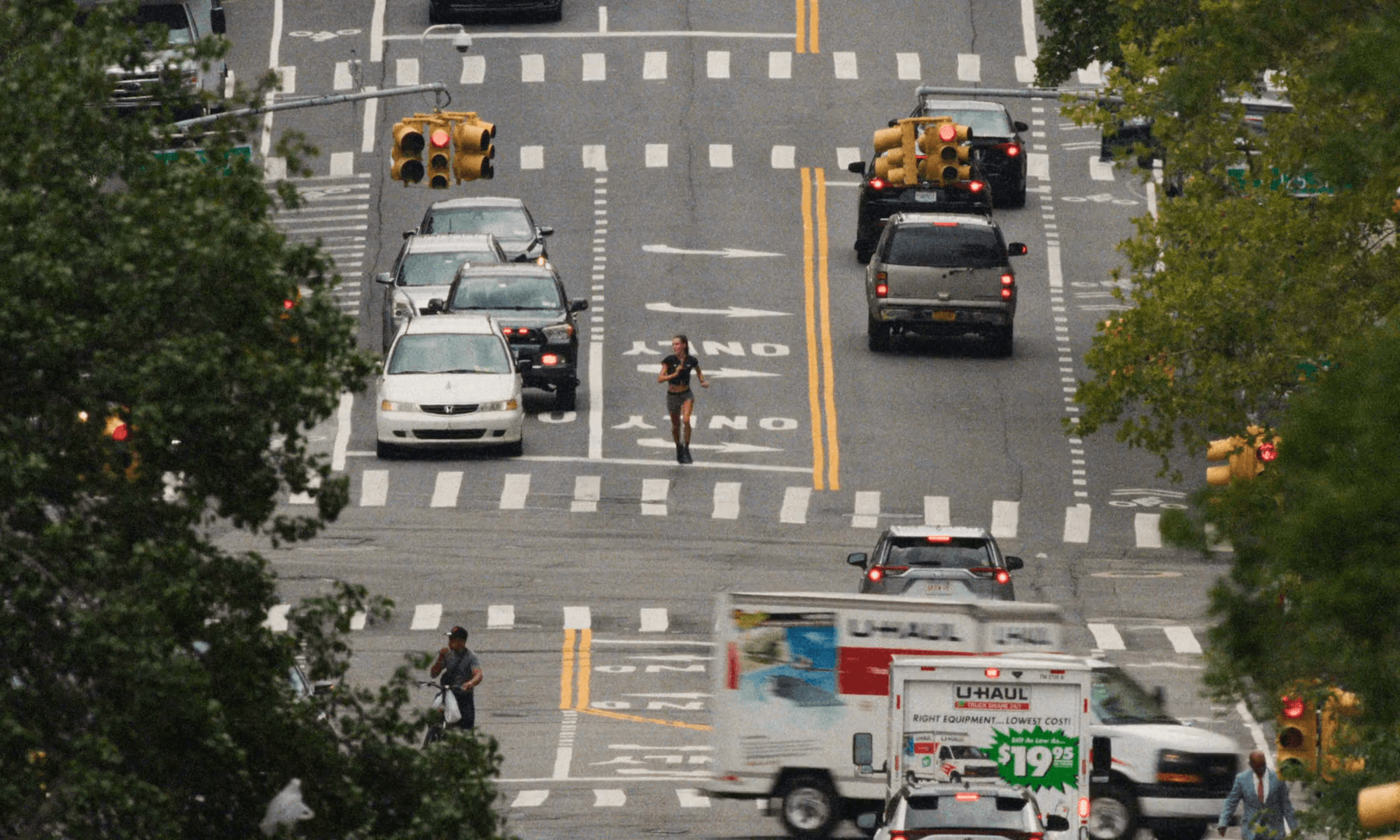
In July 2026 the U.S. Outdoor Championships came to New York for the first time since 1991, to Icahn Stadium on Randall’s Island. Bandit, the Brooklyn running brand, announced its part in the meet as a homecoming: “The Unsponsored Project 2026 is coming home.” It backed 80 athletes there who had no shoe or apparel contract, and 77 of them raced.
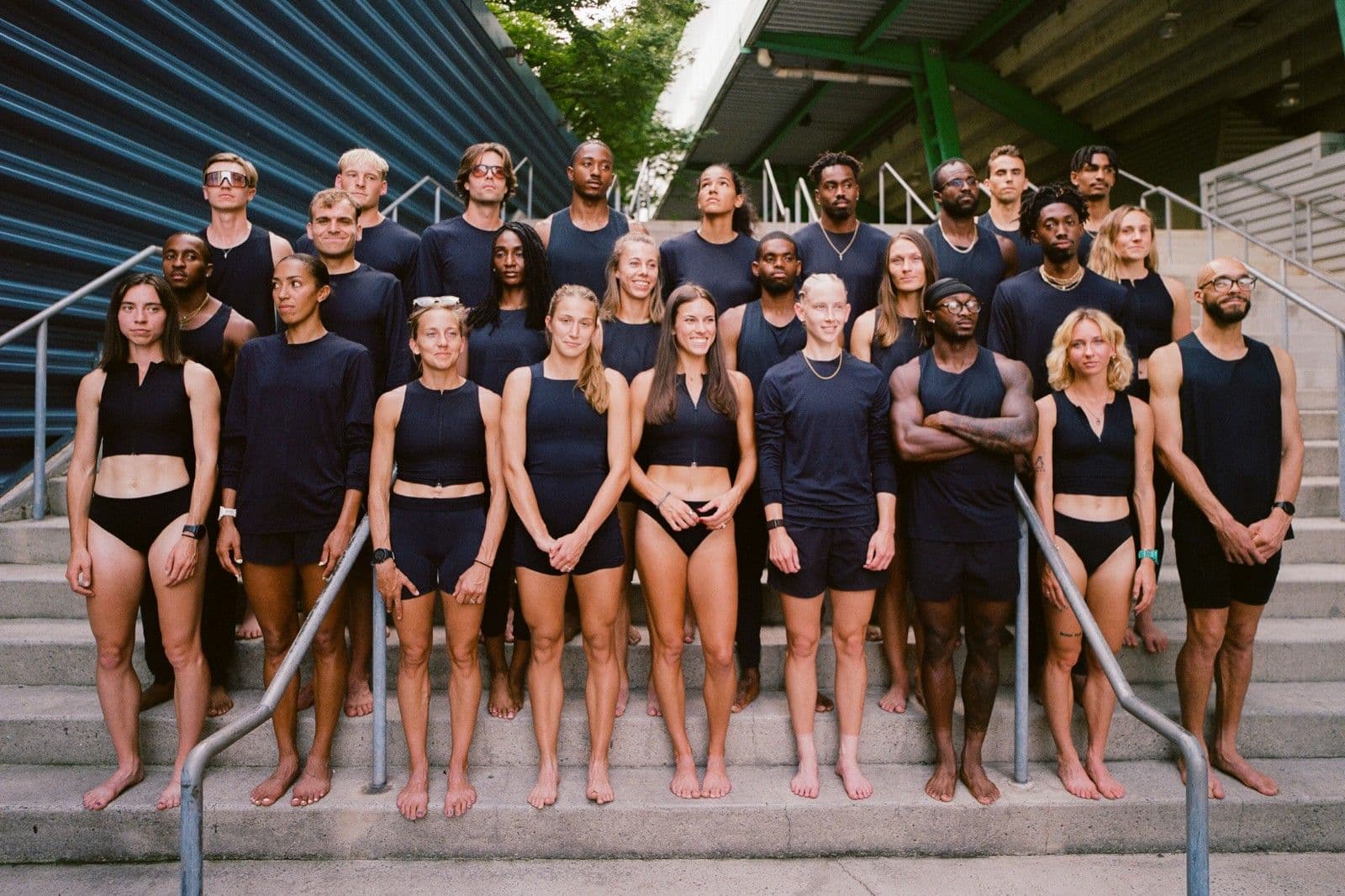
The terms have changed little in four years, and Bandit states them plainly. Every athlete gets “100% unbranded kits to represent themselves,” cash “to offset the costs of travel, lodging, physical therapy, and any other needs to compete,” and a fourteen-day contract with a release clause, “so if a larger brand approaches the athlete with a professional opportunity, they can immediately sign with them.” The kit carries no mark of any kind. No sponsor’s, no club’s, and no Bandit.
This year the offer was open to any unsponsored athlete entered at the meet, and the roster ran from steeplechasers to hammer throwers, from first-year professionals to the Olympian Ajeé Wilson. On July 25, in the women’s 100m hurdles, it produced a national champion. Alia Armstrong, racing without a shoe or kit deal, won in 12.38.
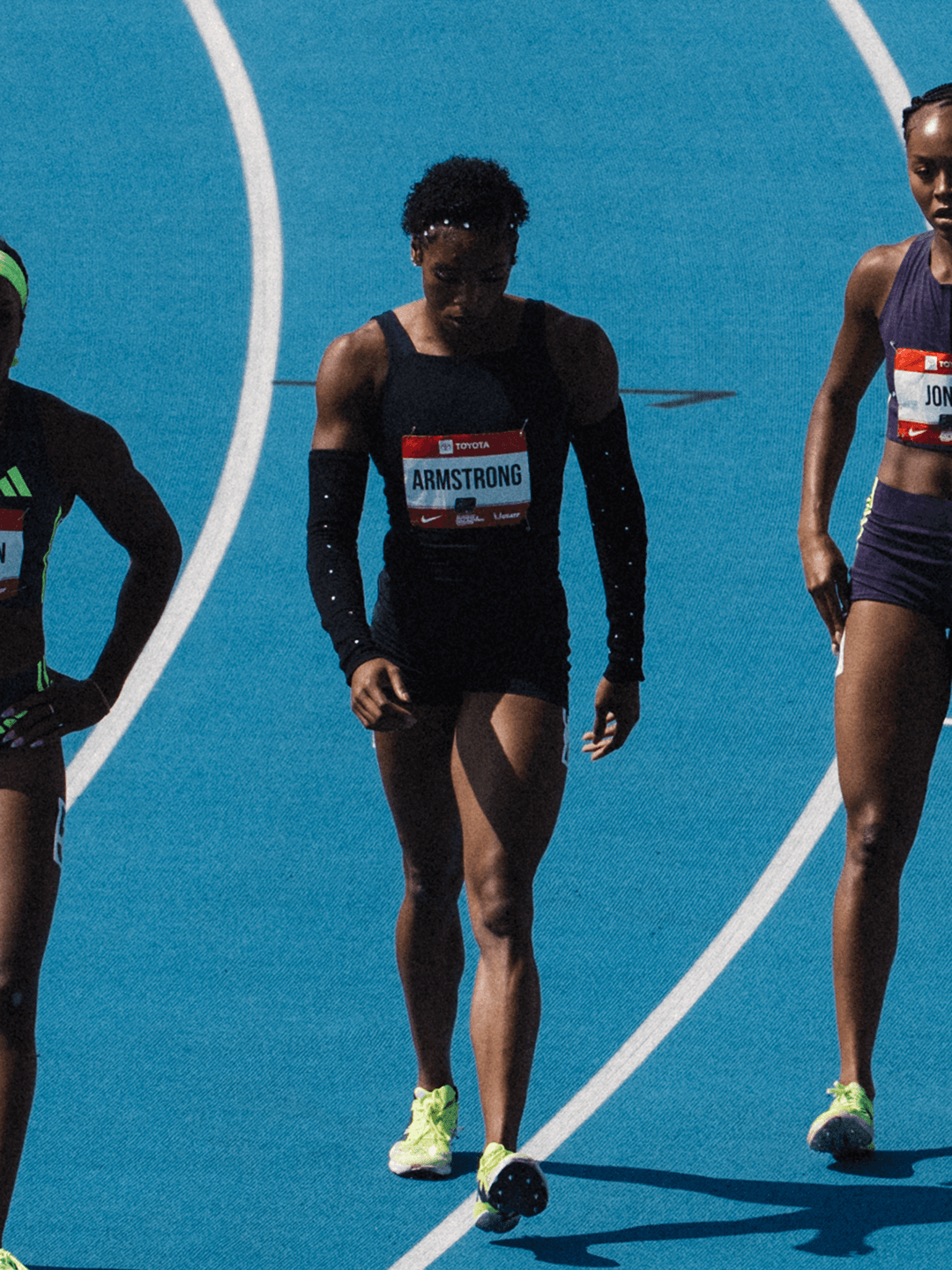
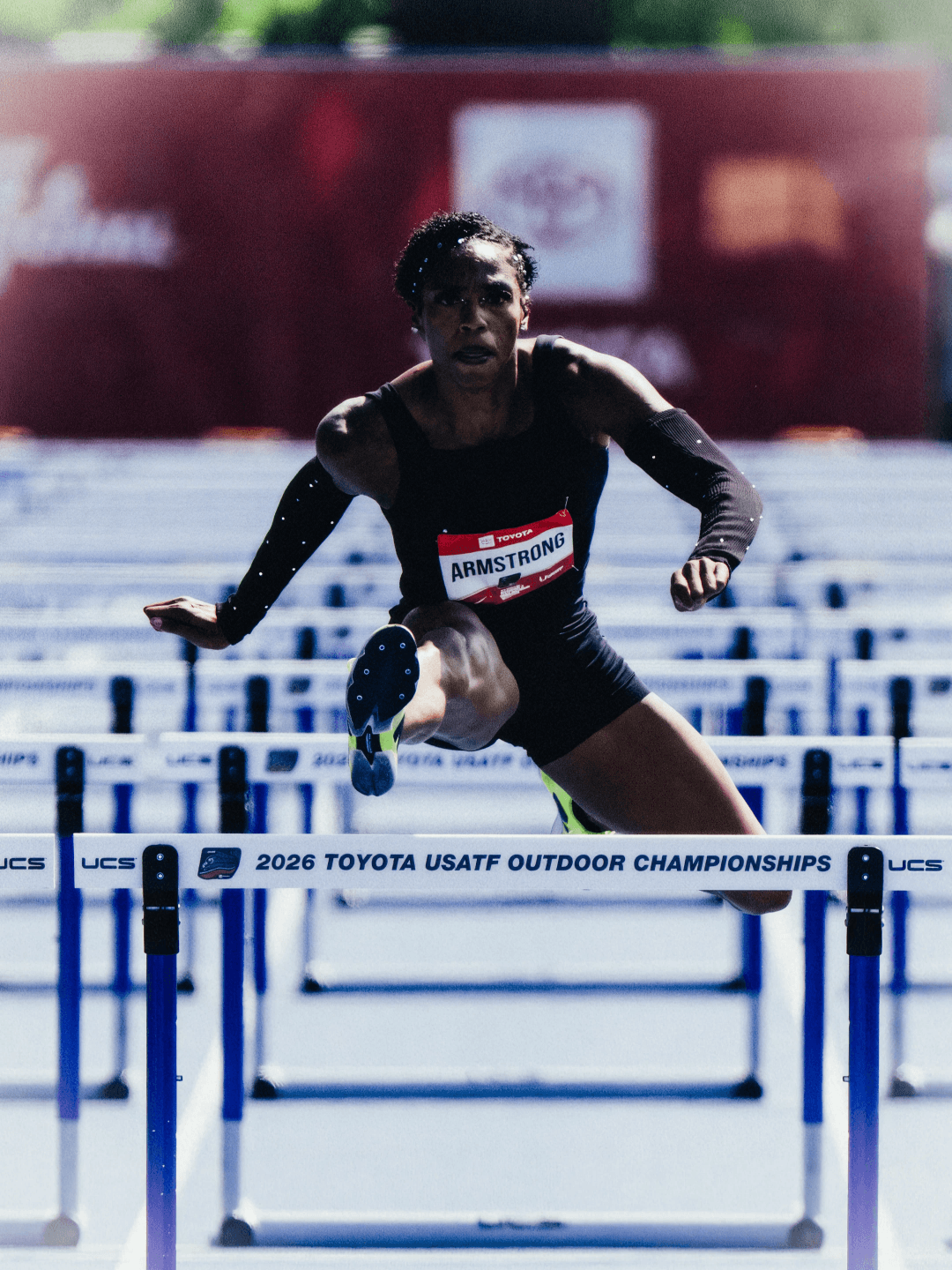
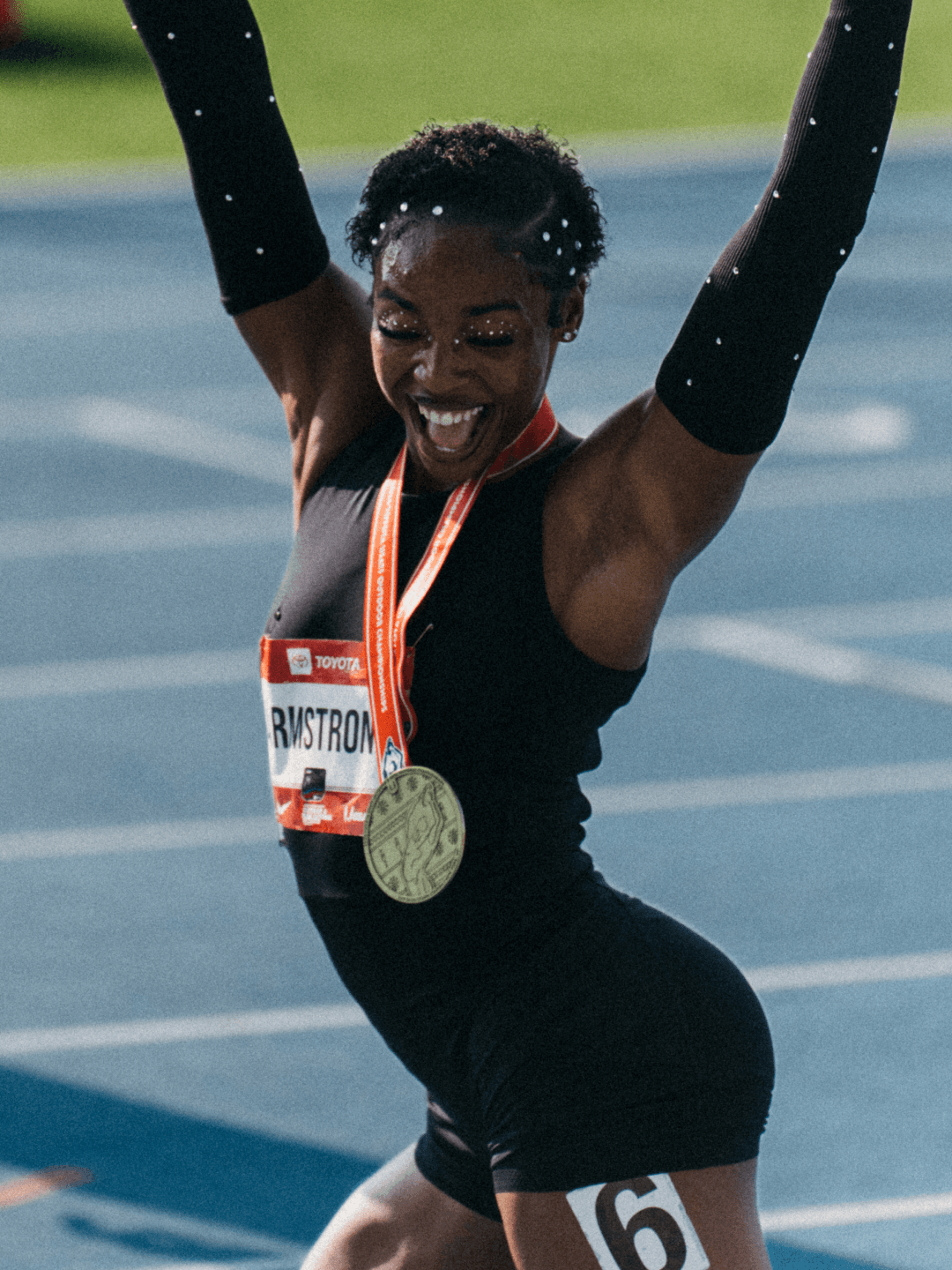
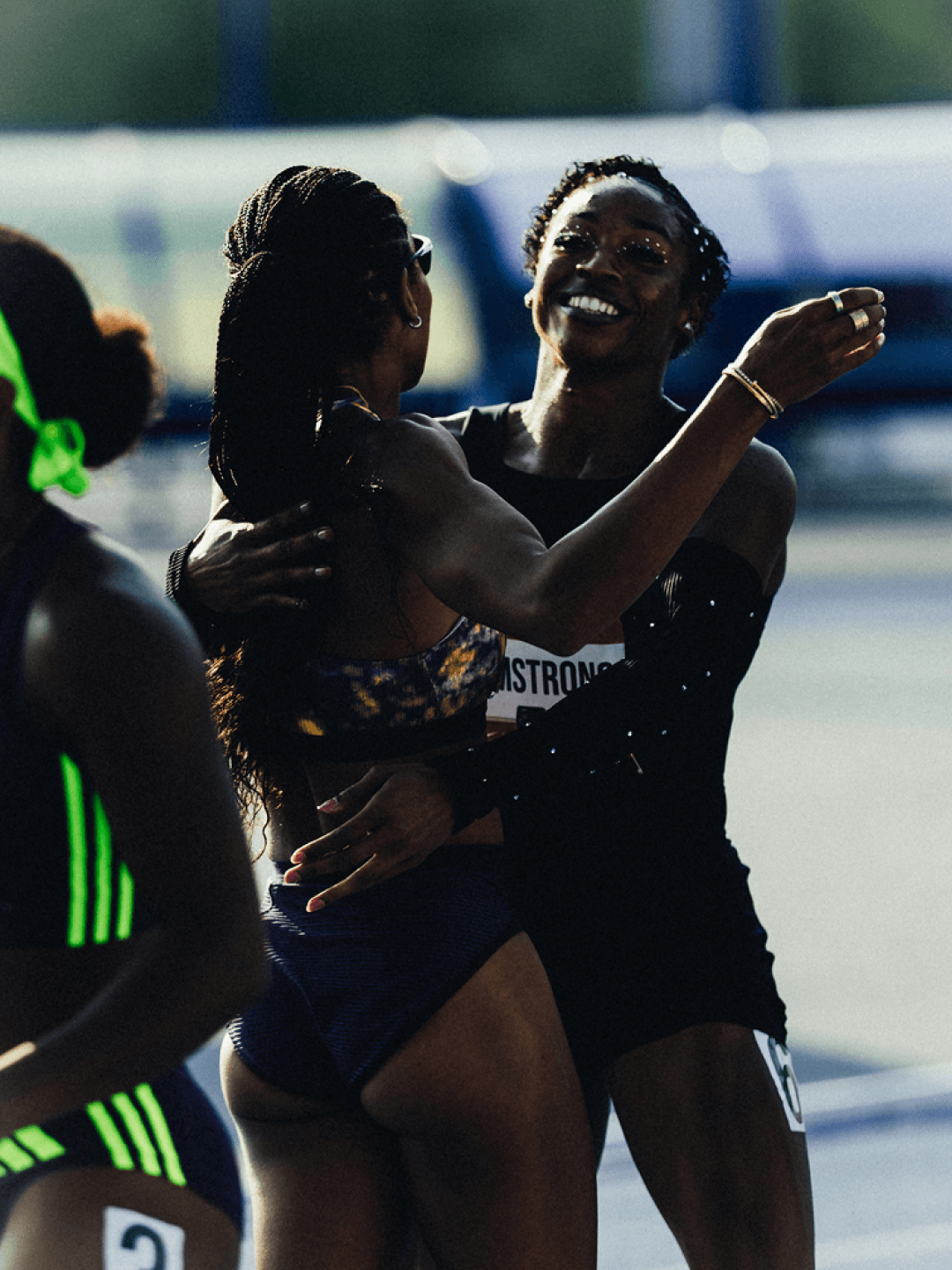
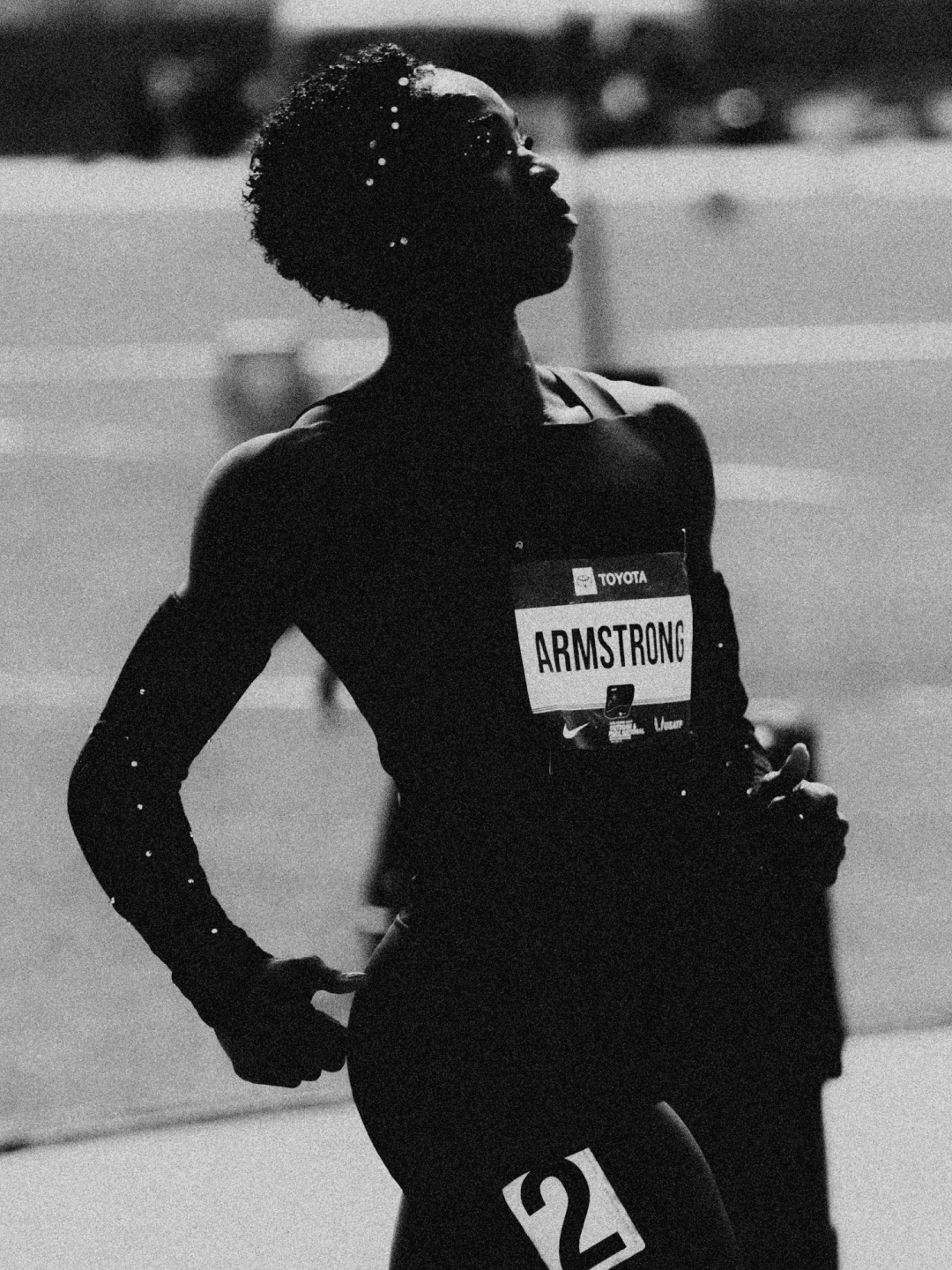
Alia Armstrong at the 2026 U.S. Championships, racing in black with no maker’s mark and her own rhinestones. She won the 100m hurdles title in 12.38. Courtesy of Bandit Running
Everybody here is sponsored, everyone here has a uniform, everyone here has someone financially backing them, and I’m just here, ten toes on my own. That’s a statement in itself.
ALIA ARMSTRONG — U.S. CHAMPION, 100M HURDLES, 2026
A blank kit is a signal
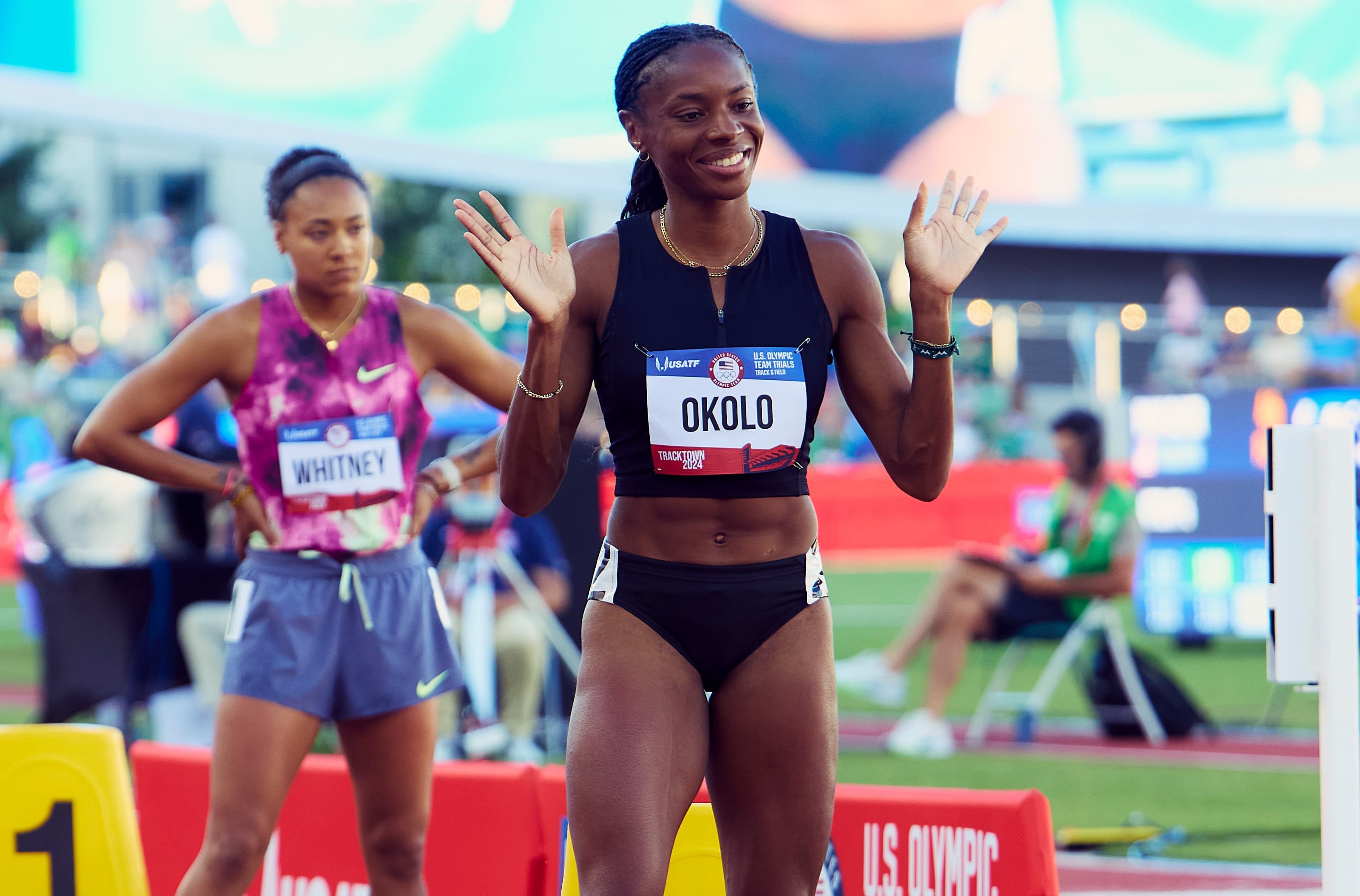
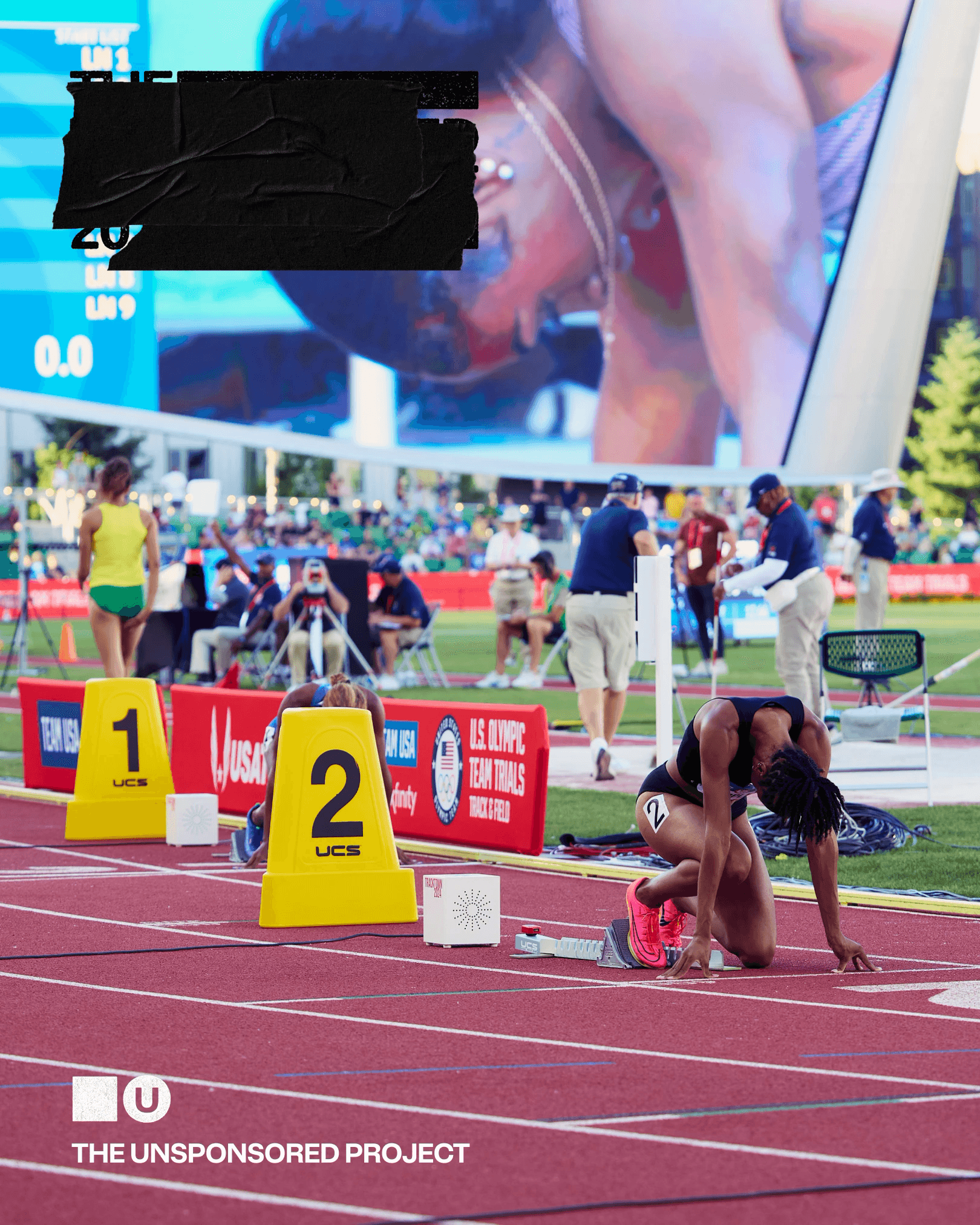
The idea fits in one image: an athlete on the line in black, with nothing on it. Bandit’s own account, written after the 2024 Olympic Trials, gives the blank three jobs. It lets athletes “represent themselves, rather than giving free ad space to brands that are not supporting them.” It tells every brand watching “that the athlete is a free agent and eligible for signing.” And the contract behind it pays for the trip. In a final where most of the field wears somebody’s logo, the lane with none in it is the one people look at.
Bandit has kept refining that absence. In 2024 it “took our pinnacle Bandit racing kits and removed the branding, creating a clean, all-black top and bottom.” In 2025 the kit gained strips of black tape, which the launch coverage read as a callback to Nick Symmonds’s taped-over protest of 2012. Its 2026 film ends on Bandit’s own wordmark with a strip of gaffer tape across the middle.
The release clause is what makes the blank honest. A brand that pays for the trip and then lets the athlete leave mid-meet has given up the thing sponsorship usually buys, which is the athlete. Tim Rossi, who conceived the project and now runs Bandit’s experiences and Good for the Sport projects, was asked in 2025 whether athletes had left for bigger deals. Six had, he said: “That’s the entire point of our no-questions-asked release clause, and we’re proud to stand by that.”
From a carry-on to 80
The project began in 2023 because Bandit could not yet afford what it wanted to do. Rossi explained it in an essay that summer: “We’re a year old as a company, and we know the level of support athletes need at the pinnacle. We want to be there in the future; we’re not there yet.” What it could do was take the logo off. Rossi and the team flew to the championships in Eugene, in the words of Bandit’s newsletter, “with a carry-on of unbranded singlets and a fistful of athlete support dollars,” for nine athletes.
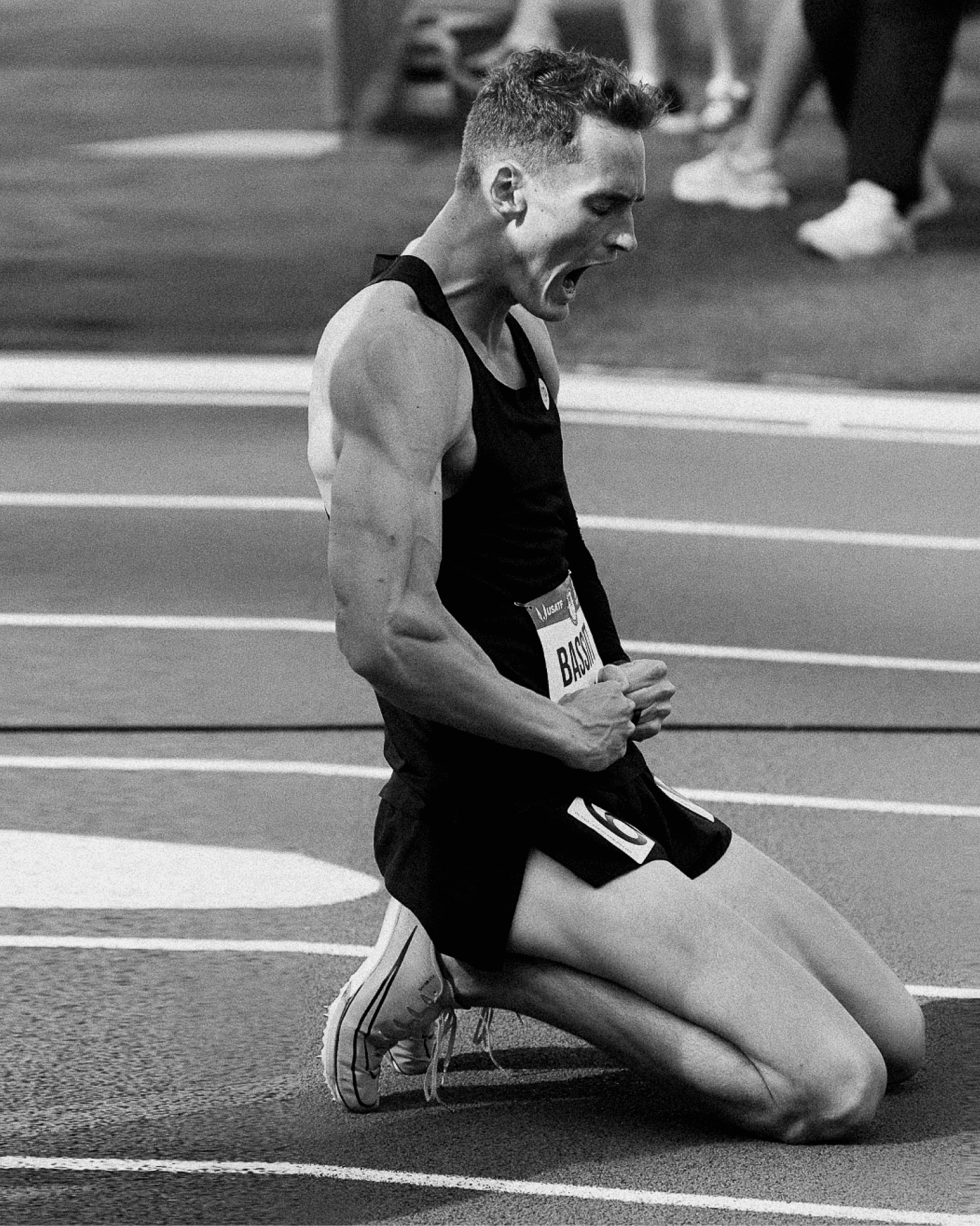
It has grown every year since. In 2024 there were 35 athletes at the Olympic Trials, where Trevor Bassitt made the team in the 400m hurdles while racing unsponsored and then signed with adidas. In 2025 there were more than 50, and Bandit doubled the support each one received. In 2026 there were 80. Tim West, Bandit’s founder and creative director, remembers the first year as “kind of crickets.” By the second, he told TEMPO, “Bandit had become synonymous with being good for the sport.”
THE POINT
12
Unsponsored Project athletes who have gone on to sign traditional contracts, by Bandit’s count. Trevor Bassitt was one: he made the 2024 Olympic team racing in Bandit’s blank kit, then signed with adidas.
How 12 Unsponsored Athletes Got a Pro Contract From The Unsponsored Project: Bandit’s 2026 film on four years of the project, ending on this year’s roster. Courtesy of Bandit Running
What a missing logo buys
In 2022 only about a third of the athletes entered at the U.S. championships had a sponsor, by the count Kyle Merber published that summer. The rest race in whatever they can get, often a brand that pays them nothing to wear it. That gap is where Bandit found its audience. Laurence Stoffel, on the Standard’s panel, put it plainly: “Bandit tapped into a blue ocean when everyone was looking elsewhere.”
Bandit’s name appears nowhere on the track, and everywhere around it: in the press that has covered the project every summer since 2023, in the Dialed films that follow its athletes, in the athletes’ own accounts, and in 2026 in a section of the stands. For the home meet Bandit bought weekend tickets for its community and gave them away with a two-word dress code: “Wear black.” The kit made the brand recognisable without carrying its mark.
Matt Trappe, also on the panel, saw a challenger brand finding ways “to add value for themselves, athletes and the sport at large,” and called that trio “the secret sauce to build lasting value and not just a short term quarterly win.” For any brand that sponsors athletes, the lesson is in the release clause. Bandit gets the most credit from the athletes it is happiest to lose.
Bandit put nothing on the kit, and the nothing became the most Bandit thing on the track.
THE BRAND REPORT
Panel of Judges
 Chris MarshPlanner | MakeThingsExist-egist
 Dan CoeStrategist | Publisher
 Laurence StoffelDesigner | CCO & CPO
 Matt TrappeCreative Director
 Scott MellinFuturist | Board Member
Credits
- Tim RossiCreator and lead, The Unsponsored Project
- Tim WestFounder and Creative Director, Bandit
- Nick WestCo-Founder and CEO, Bandit
- Ardith SinghCo-Founder and Chief Design Officer, Bandit
- Alia ArmstrongUnsponsored Project athlete, 2026; U.S. champion, 100m hurdles
- Lindsey ButlerUnsponsored Project athlete, 2026; Dialed subject