- Brand
- ACG
- Type
- Product
- Origin
- Commissioned
- Published
- 26 August 2026
- Score
- 3.92 / 5
The shirt Nike wouldn’t explain until it had already won Western States
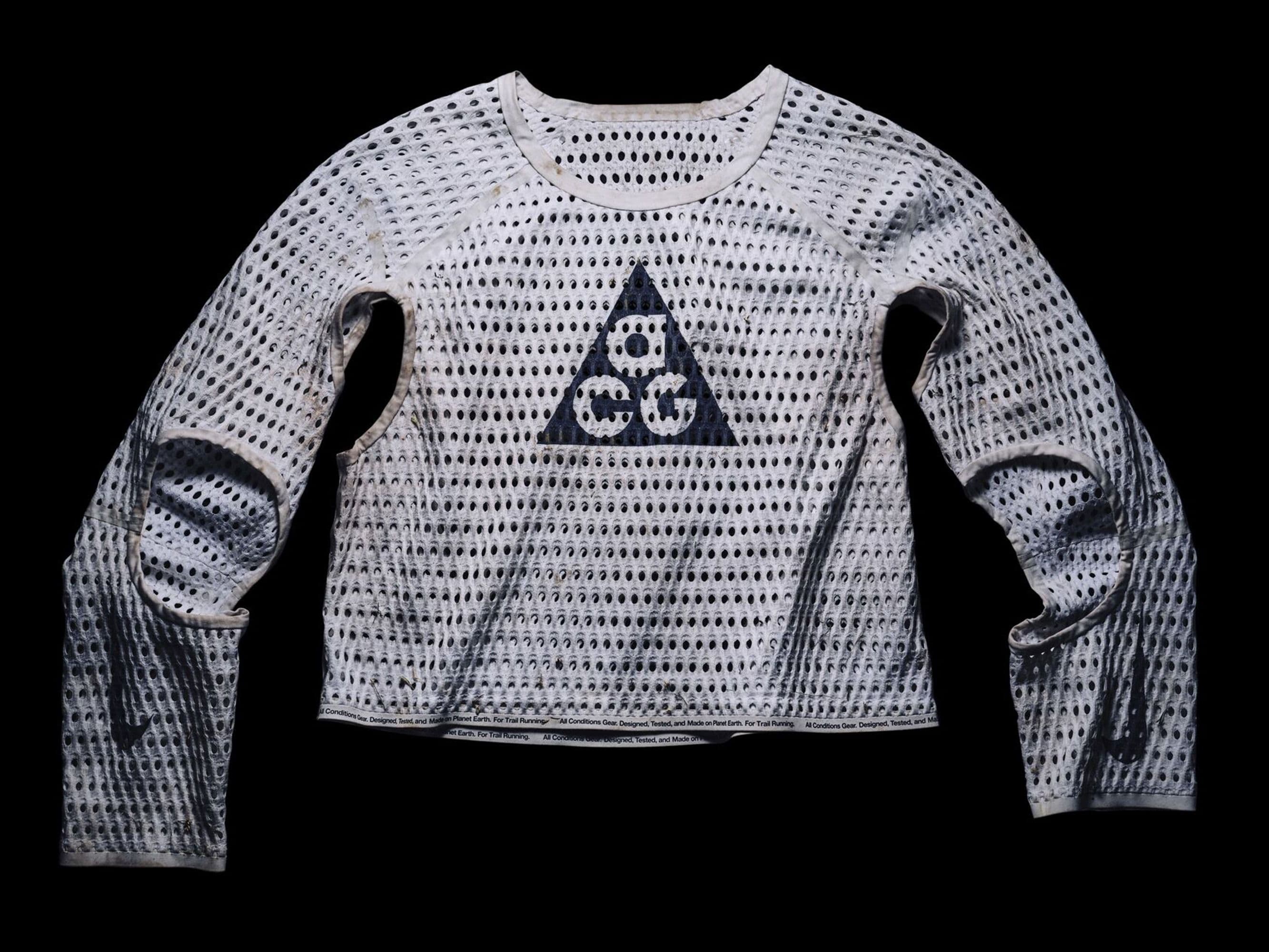
Radical AirFlow began as a physics problem in Nike’s apparel innovation lab: a knit of funnel-shaped holes that speeds air onto the skin and holds half the sweat of Dri-FIT. Caleb Olson wore the prototype to the second-fastest Western States in history in June 2025. The line went on sale on June 4, 2026, and sold out the morning it dropped.
ACG · Product · Commissioned · 26 August 2026 · Score 3.92
A physics problem
Radical AirFlow did not begin as a trail-running brief. It began with Daniel Morgan, a lead designer in Nike’s apparel innovation group, and a question he would not put down: how do you make a knit pull more air in and send it where you want it? Dan Farron, who leads apparel innovation product design at Nike, describes him as “an engineer by trade – engineer, designer, scientist,” and remembers the moment the answer arrived. Morgan had stitched up a sleeve. “And it’s moving. We’re like, ‘Well, this is… I think we’ve done it.’”
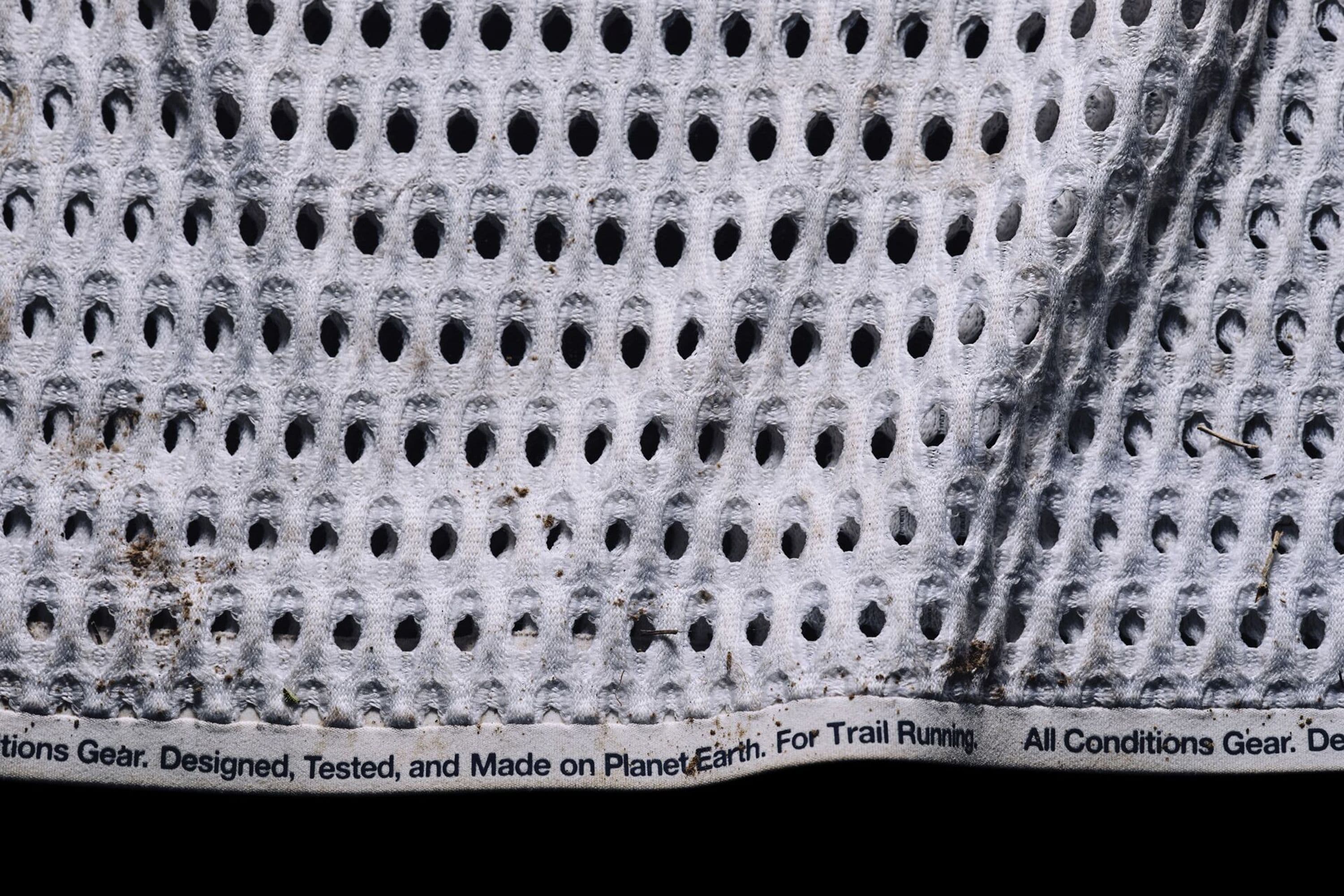
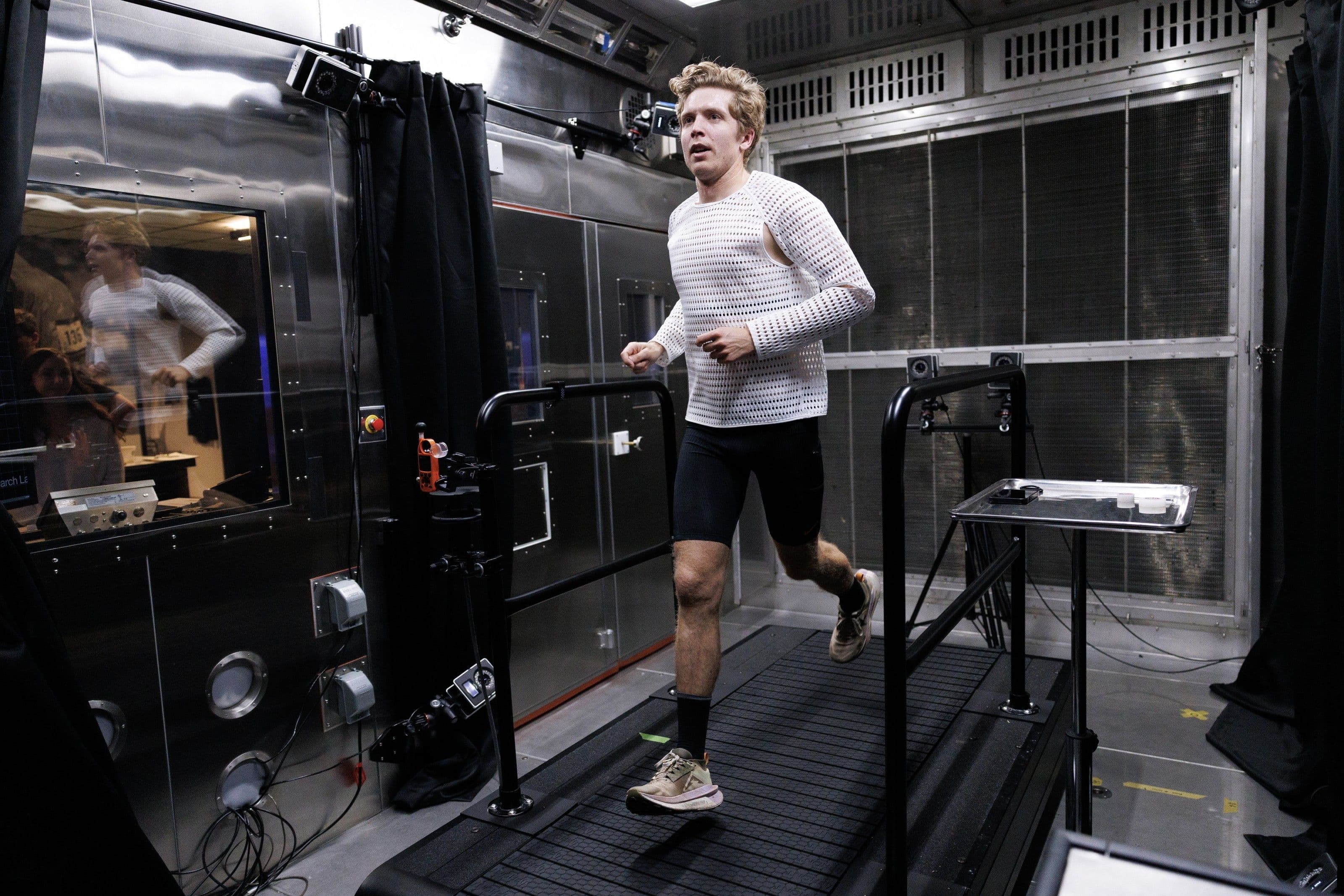
What Morgan had made was a knit full of funnels: hundreds of holes, wider on the outside and narrower toward the skin, that accelerate air as it passes through, with dimples on the inside to keep it moving. Jahan Behbahany, senior director of Nike Apparel Innovation, ran the configurations. “We found that a funnel-shaped construction of larger to smaller gradient holes, uniformly placed, would best ‘funnel’ and accelerate air to the skin.” In the Nike Sport Research Lab the prototypes retained 50 percent less sweat than Dri-FIT after prolonged running in heat, and were 25 percent less resistant to letting it evaporate. Farron’s read on what that meant: “To have a material that gives you that instant perception, that doesn’t happen very often. That’s like once every five to 10 years, maybe.”

Say nothing
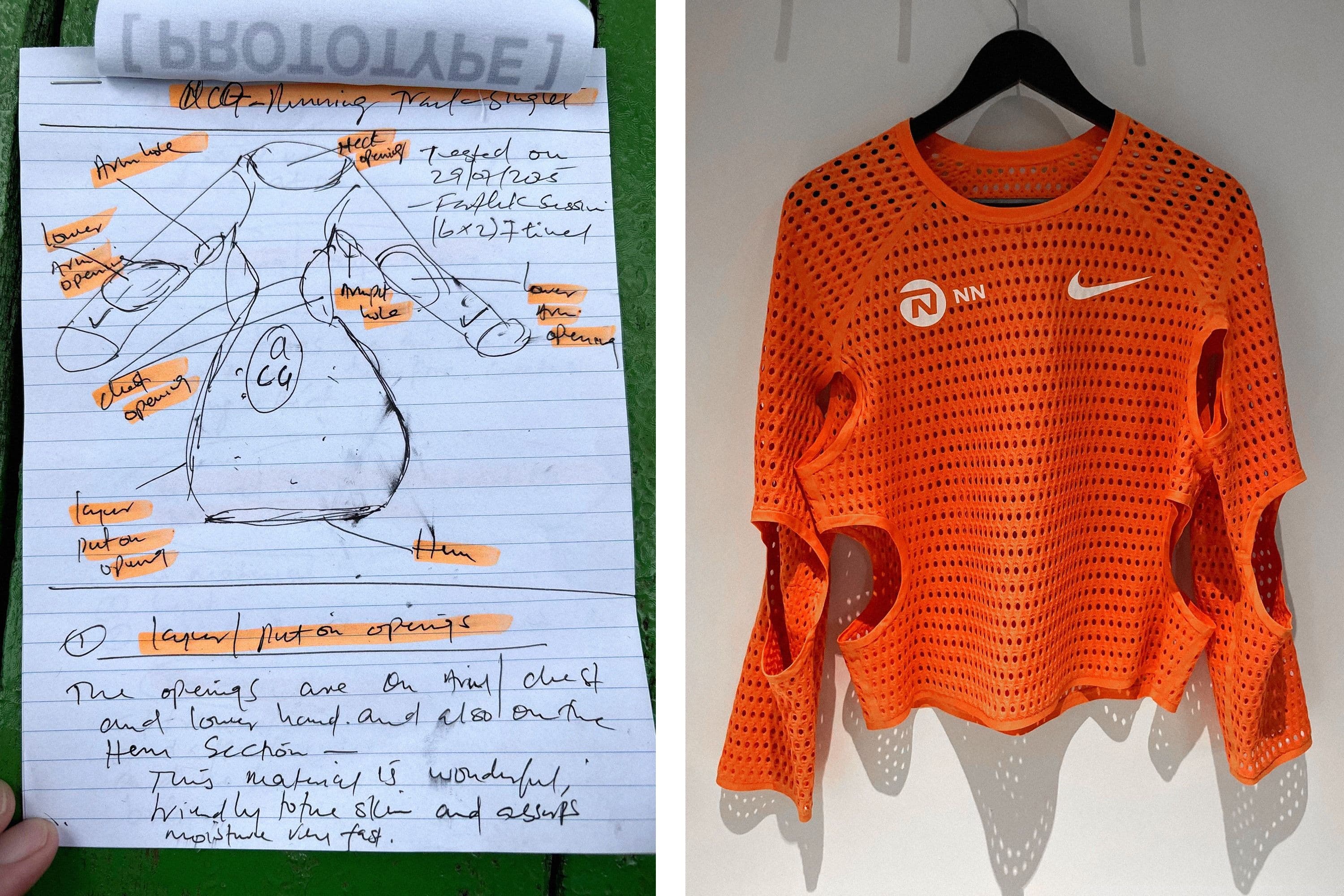
The garment the team built around the material is mostly absence: a long sleeve, to cover as much skin as possible, with the elbows and underarms cut away and the hem cropped to clear a race belt. Nike’s plan for introducing it was to not introduce it. On June 28, 2025, Caleb Olson of ACG’s All Conditions Racing Department started the Western States 100 in a white prototype nobody had seen, and 14 hours, 11 minutes and 25 seconds later he had won the race in the second-fastest time in its history. The shirt was all over the sport’s feeds before he reached Auburn. It was called a Christmas sweater. There were crocheted parodies. Nike said nothing.
“What was really different for us is we didn’t talk about anything,” Farron says. “We just let the garment do its thing in the race. It was important for the teams to let the trail community work out what it is themselves first.” Two months later, on August 24, Nike published the explainer and the name, with a line from Olson that has followed the product since: “Wearing it is like stepping into a fridge.” Drew Holmen, another ACRD athlete, won the Lavaredo Ultra Trail 80 in a prototype that summer; Erin Clark wore one at Western States too. The shirt had a race record before it had a name.
What was really different for us is we didn’t talk about anything. We just let the garment do its thing in the race.
DAN FARRON — VP, APPAREL INNOVATION PRODUCT DESIGN, NIKE
THE LAB
50%
Less sweat retained than Dri-FIT after prolonged running in heat, in Nike Sport Research Lab climate-chamber and thermal-manikin testing.
In his own hand
The road version came from the athlete. In the summer of 2025 Nike sent prototypes to Eliud Kipchoge at his training camp in western Kenya. “We expect most of our runners to take it for 10 minutes,” Farron says. “I think he ran like 30 kilometres in it the first time.” Kipchoge sent back handwritten notes. “The material is wonderful, friendly to the skin and absorbs moisture very fast,” he wrote. “The magic of this top is how it evaporates the sweat.” He asked for a vent at the ribs. The team added two, returned the hem from the trail crop to a marathoner’s length, and tightened the fit so the top stopped swinging.
“Every alteration we made for Eliud was based on his feedback,” says Emily DeLess of Nike’s apparel innovation product team. “Thanks to our research history, we already have a language of development with him, so we can give him exactly what he needs.” After a 40-kilometre run in the revised top, Kipchoge texted Tony Bignell, Nike’s chief innovation officer: “I think the top is ready to go.” He wore it on November 2 at the New York City Marathon, his final competitive marathon, and finished in 2:14:36. Scott LeClair, who runs Nike ACG, calls the project “very much in the spirit of just doing it. Serve the athlete and don’t let anything get in the way.”
From a race to a line
The NXT long-sleeve went on sale on June 4, 2026, at $150, with a short-sleeve, a tank and caps following in July at $65 to $120, all of it under the ACG triangle. The collection sold out the morning it dropped, was restocked once by draw on July 29, and on the day this entry publishes Nike’s own page reads “Coming Soon.” Highsnobiety’s description, a month in: “perpetually sold out, and incessantly flexed by influencers ever since.”
The material was somewhere else by then. Jannik Sinner spent Wimbledon in a custom Radical AirFlow windbreaker, and on June 30 Serena Williams made her singles comeback in a custom kit built from it, the first tennis player to compete in the fabric. Standard panel judge Scott Mellin had called it from Paris Fashion Week in June: “Well every drop is sold out. I saw it everywhere at PFW in June (albeit it was 110F there). It will likely make a fast crossover to fashion and streetwear. And that’s where the real money is.” Farron, back in February, had noticed the same thing. “I didn’t expect it to be on people just wandering. But it’s happening.” He does not think of what his team made as a shirt. “I don’t think it’s just layering. It challenges the whole ecosystem. Head to toe.”
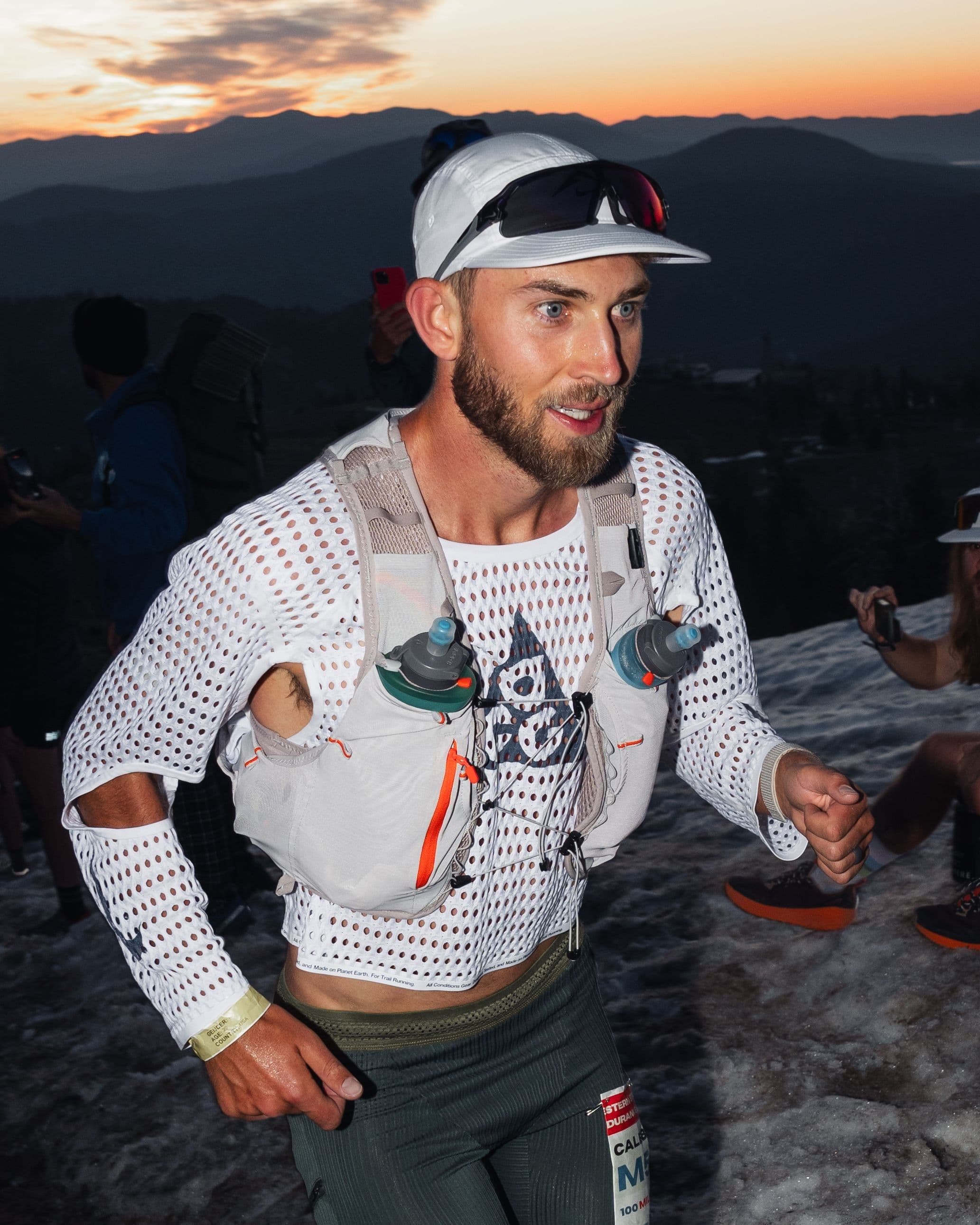
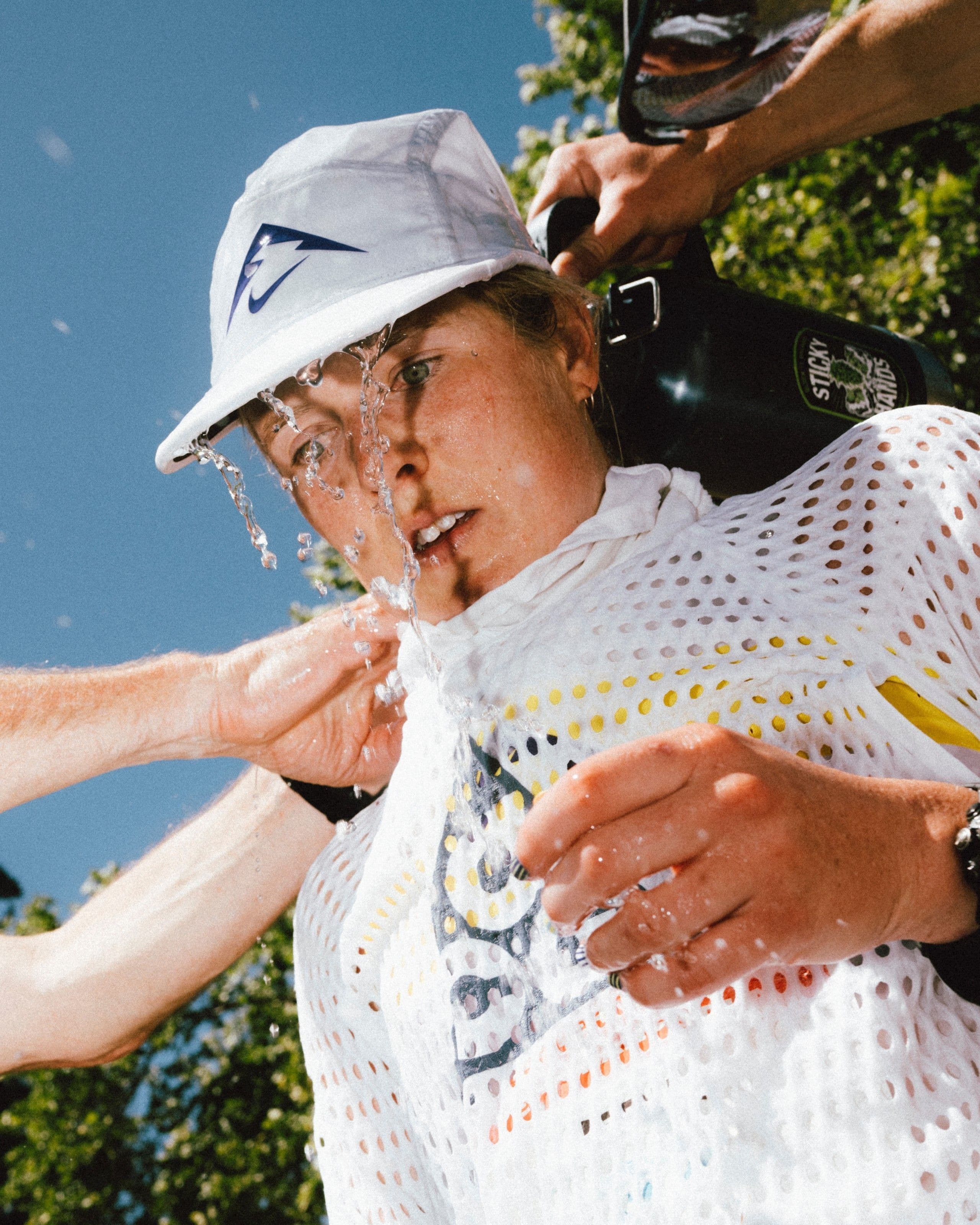
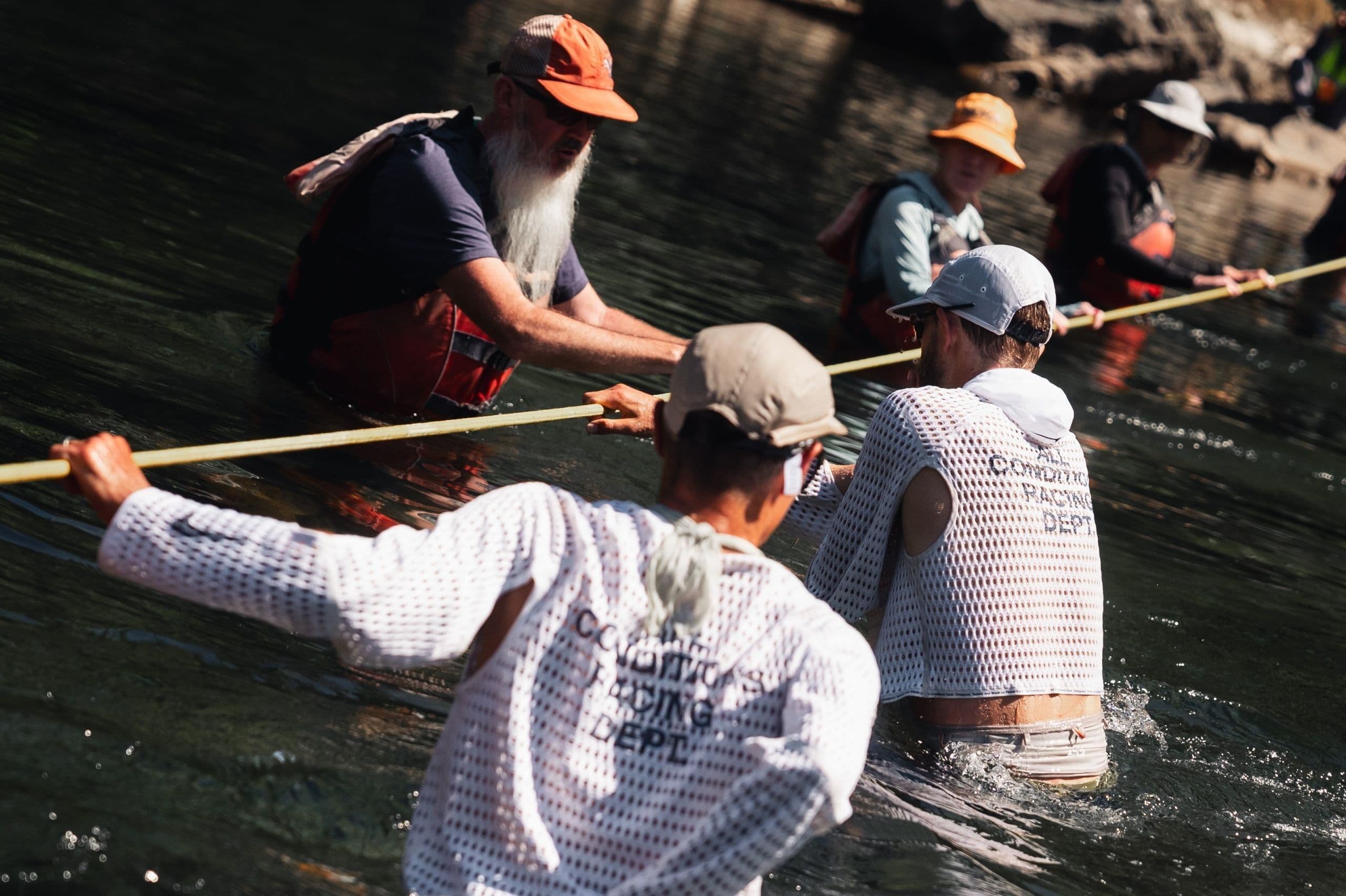
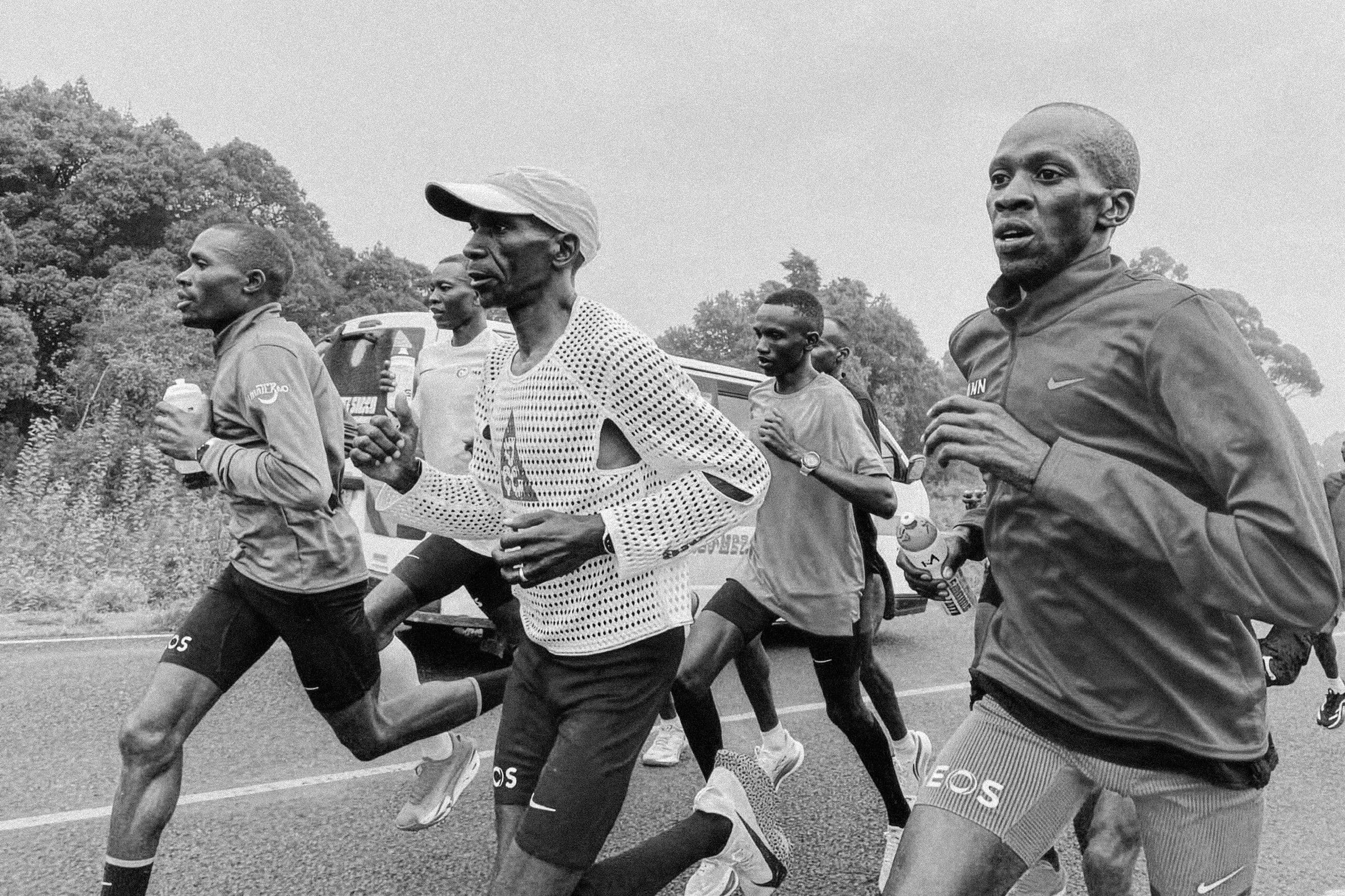
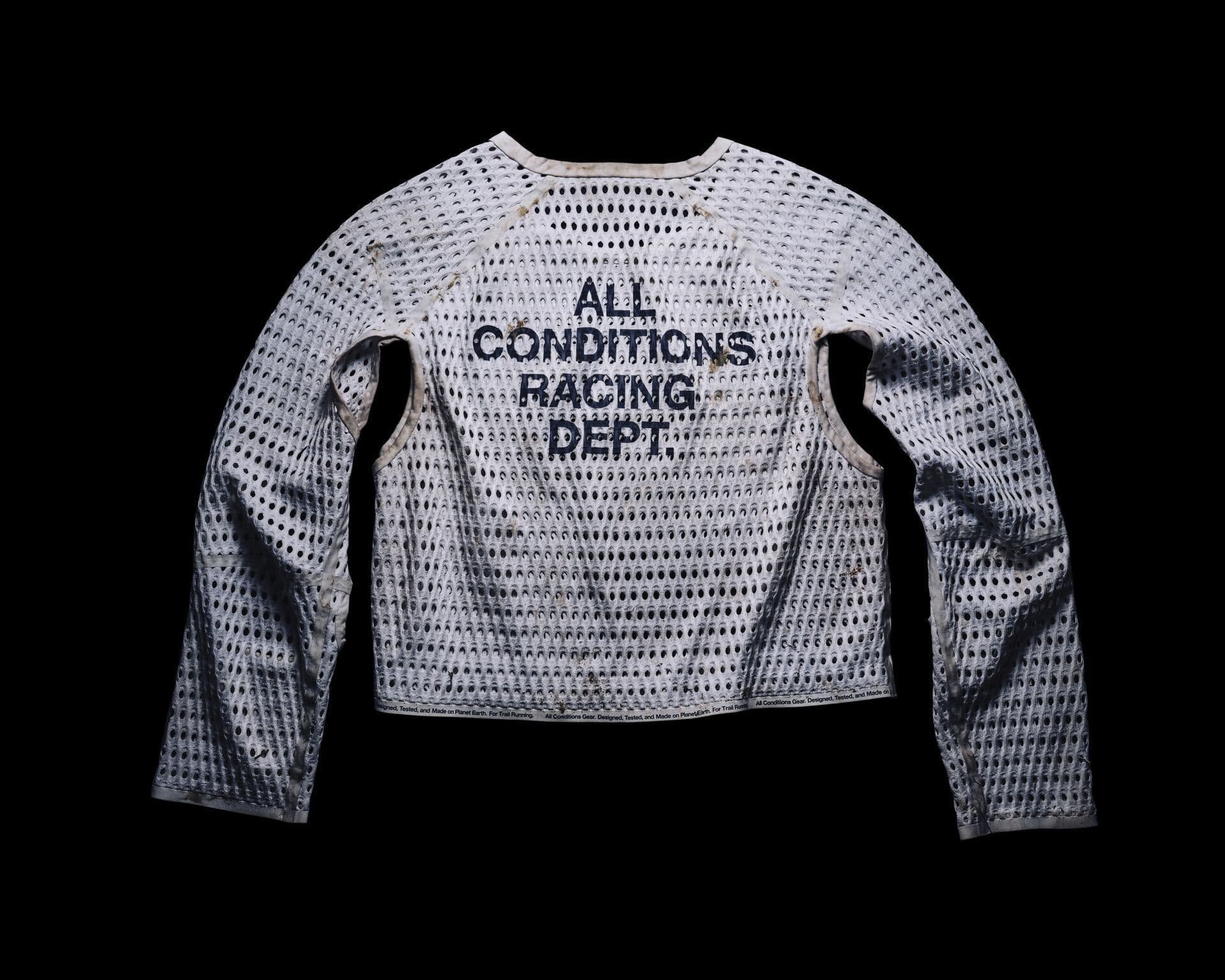
The prototype year: Western States and a training camp in western Kenya. Courtesy of Nike
The most advanced garment on the start line was the one with the least fabric in it.
THE BRAND REPORT
Panel of Judges
 Dan CoeStrategist | Publisher
 Matt TrappeCreative Director
 Scott MellinFuturist | Board Member
Credits
- Daniel MorganLead Designer, Innovation Apparel, Nike
- Dan FarronVP, Apparel Innovation Product Design, Nike
- Jahan BehbahanySenior Director, Nike Apparel Innovation
- Emily DeLessApparel Innovation, Product Management, Nike
- Scott LeClairVP/GM, Nike ACG
- Tony BignellChief Innovation Officer, Nike
- Caleb OlsonTrail Runner and ACRD Athlete, Nike ACG
- Drew HolmenTrail Runner and ACRD Athlete, Nike ACG
- Erin ClarkTrail Runner and ACRD Athlete, Nike ACG
- Eliud KipchogeMarathoner, Nike — tested the prototype and shaped the road version