The Market Read
Here's the read on what's happening in the market right now.
The growth playbook that built the last decade of outdoor, sport, and lifestyle is breaking.
Customer acquisition cost is inflating ten to twenty-five percent a year. Attention to interruptive advertising has collapsed — the average Gen Z gives an online ad one-point-three seconds before scrolling. AI Overviews compress organic click-through by two-thirds. The channels that built the DTC era are getting more expensive every quarter, and less effective at the same time.
Underneath the breakdown, three numbers tell a different story about what is replacing it.
In July 2025, YouTube captured thirteen-point-four percent of total U.S. TV watch-time. Its largest monthly share to date. Four full points ahead of Disney. The ninth consecutive month it ranked as the number-one streaming distributor on American televisions.
Globally, viewers now stream more than a billion hours of YouTube from their living rooms — every day. Time spent watching YouTube on a television is up fifty-three percent against February 2023.
And Huckberry's audience watches Huckberry's shows on a television seventy-five percent of the time. Not on a phone. On a couch.
The 2025 Edelman Trust Barometer puts the picture into focus on the receiving end. Eighty percent of people now trust the brands they use more than they trust traditional institutions — up from fifty-six percent in 2022. For the first time, trust is equal to price and quality in the buying decision.
The top three things people now ask brands to give them: make me feel good. Give me hope for the future. Give me quality information.
Translated: people are bringing brand-made content into their homes, in primetime, on the same screens where they watch Severance and The Bear, and the brands inside that content are receiving more trust than the institutions that used to hold it. The audience is not skipping ads. The audience is choosing programs.
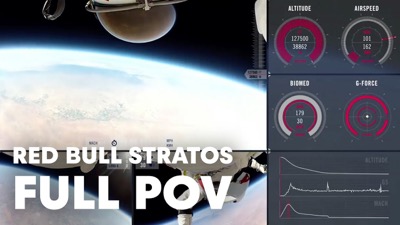
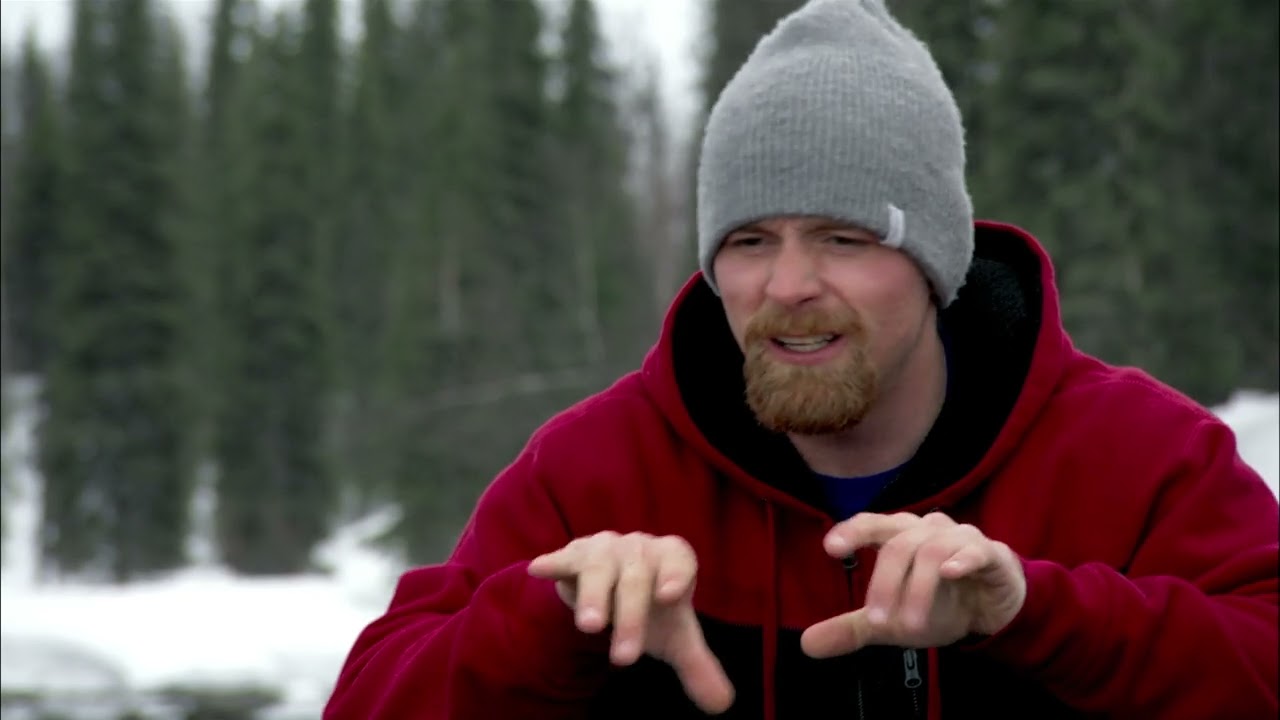
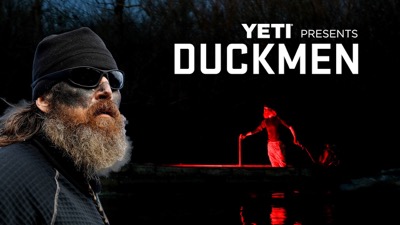
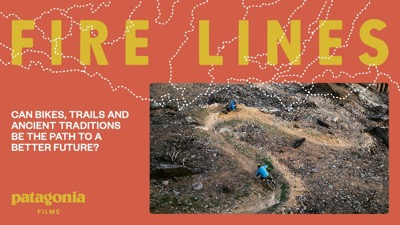
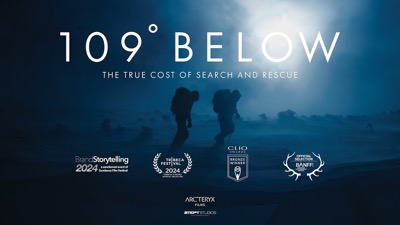
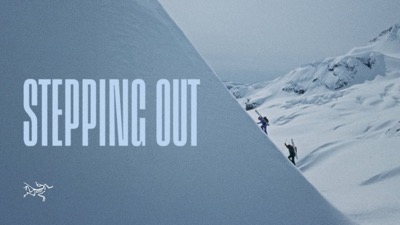
The brands that have built media studios inside themselves — Red Bull, YETI, Patagonia, Arc'teryx, Huckberry, Liquid Death — are also, almost without exception, the brands those same audiences describe as loved rather than purchased. Coincidence is not a defensible read of that pattern.
The structural answer to the breaking growth playbook is the same as the structural cause of the love. Stop renting attention. Build something people want in their houses on a Friday night.
A studio.
This report is what the brands that did it actually did. Six established studios, three challengers on their way to joining them, five insights distilled from the work — and a diagnostic at the back that places your brand on the curve.
The Map
Before the insights, the map.
The studio model takes five distinct forms, depending on what the studio is asked to do.
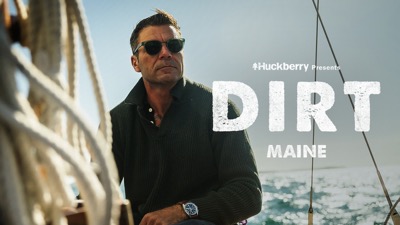
The first is Commerce Engine. Huckberry. The studio wired directly to acquisition. The product calendar drives the content calendar. The audience converts.
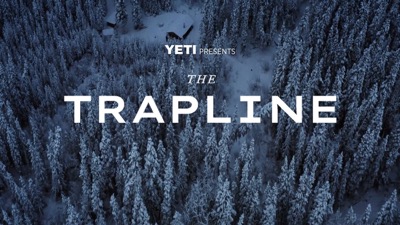
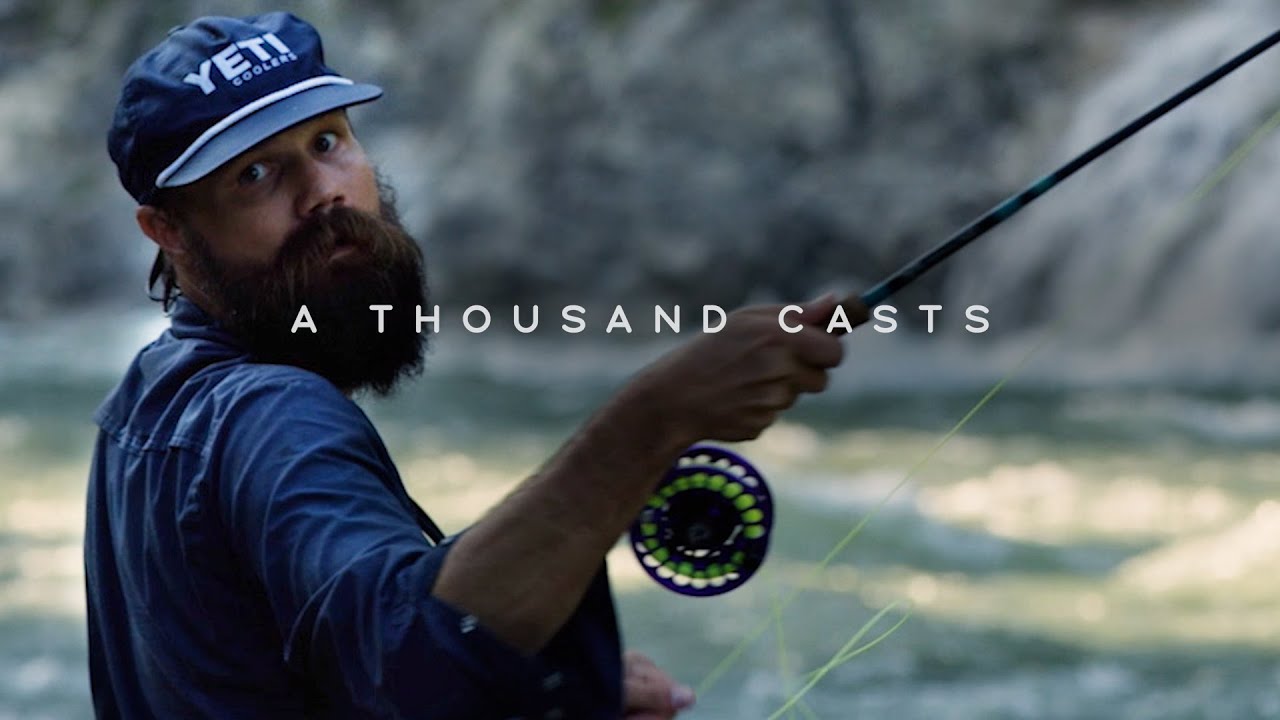
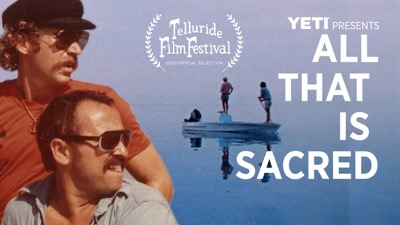
The second is Cultural Positioning. YETI. The studio as the brand's argument about its people. The product is invisible; the cultural territory is everything.
The third is Experience Ecosystem. Arc'teryx. The studio as the front door to physical infrastructure — stores, academies, repair, in-person tour.
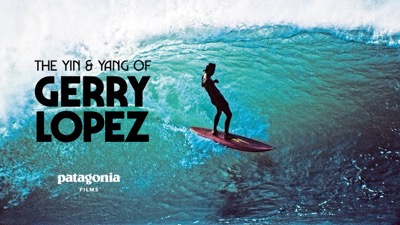
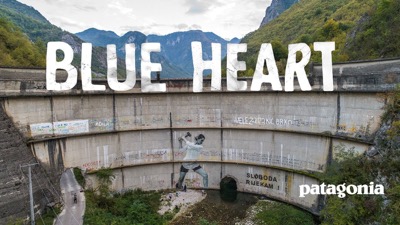
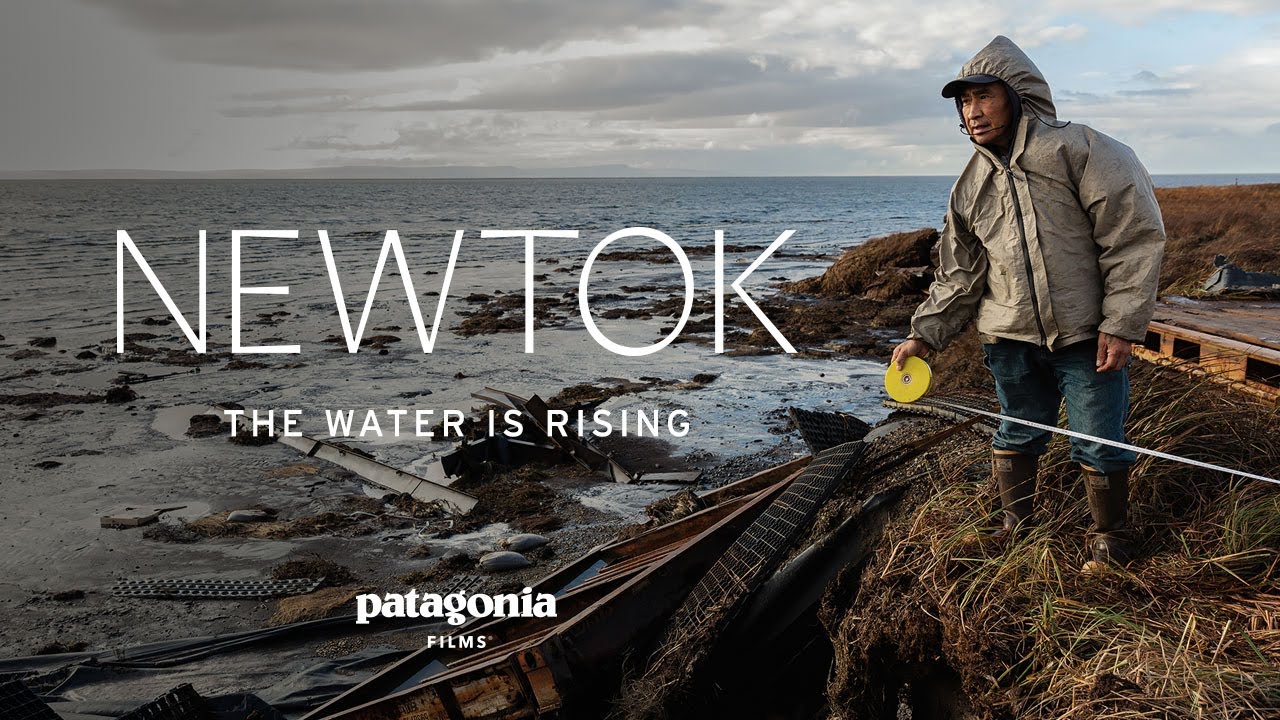
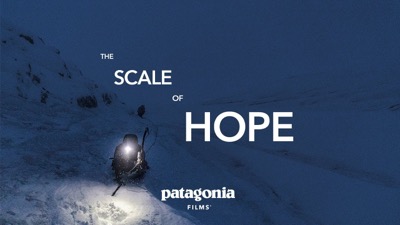
The fourth is Mission Amplification. Patagonia. The studio as advocacy with measurable political outcomes. Content that signs petitions, changes laws, screens at Telluride.
The fifth is Pure Entertainment. Liquid Death. The studio as a comedy property that happens to sell water. Proof the model is not outdoor-specific.
Most brands recognize themselves in two. Sometimes more. The five insights that follow apply across all of them.
Insight One — Creative work follows structure
Creative work follows structure. Structure does not follow creative work.
Here is the meeting, in the version that actually happens.
Someone in marketing leadership says: we should be making content like Huckberry. Or like Patagonia. Or like YETI. The room nods. Everyone has seen the work. Everyone agrees it is better than what the brand is currently putting out. The team scrambles to a brief. Someone calls a small production company a friend works at. There is talk of "cinematic." There is talk of "authentic." A moodboard appears inside a week. Three quarters later the work has shipped, the views are middling, the dashboard says the experiment is failing, and the budget gets quietly cut.